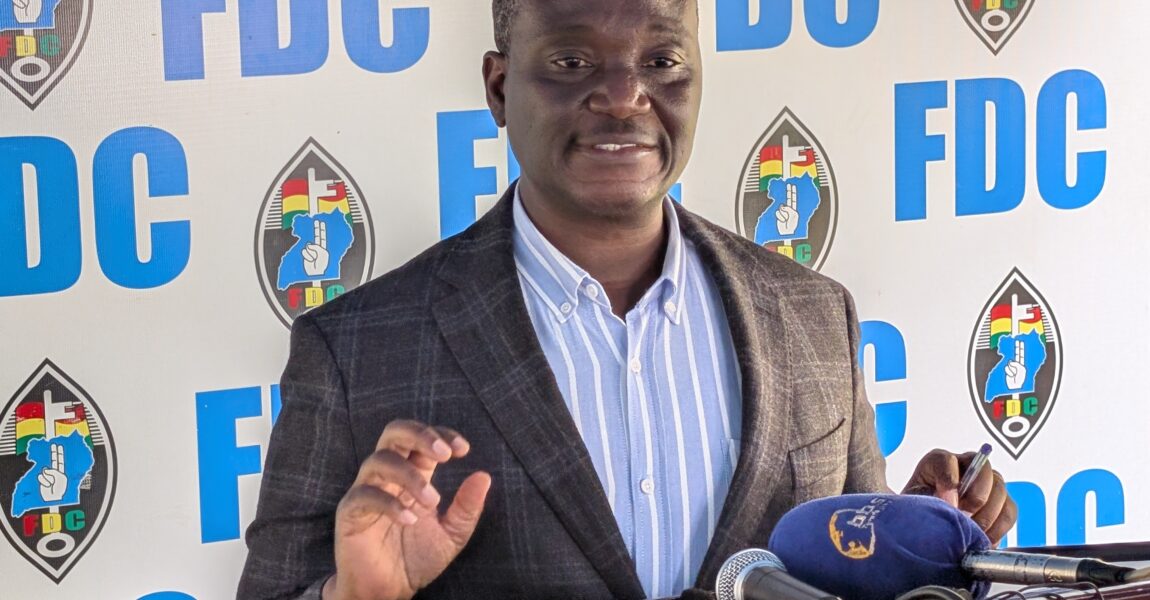
THE ECONOMIC CRISIS IN THE COUNTRY
We come out to raise our concerns over the escalating cost of living, rising fuel prices, the growing pressure on ordinarily Ugandans and the continued failure of the NRM government to translate Uganda’s economic potential into prosperity for ordinary citizens.
Across the country, families are struggling to afford food, transport, rent, school requirements, electricity and other basic necessities. The economic hardship is being felt by almost everyone. The government must explain why, after four decades in power, Uganda remains so vulnerable to fuel-price shocks and why ordinary citizens are repeatedly expected to adjust their lives to compensate for failures in economic planning.
Instead of providing solutions, the government is now advising Ugandans to reduce unnecessary movement as a way of dealing with high fuel prices. This shows a government that is unable to offer practical solutions to the challenges facing its people.
At one point, when Mr. Museveni was asked about rising fuel prices, he said that he was only concerned about jet fuel and questioned why people needed to travel, suggesting that they should stay home. Such a response is unfortunate coming from the Head of State. How do you tell a boda-boda rider to stop moving when movement is how they earn a living? How do you tell a trader, a farmer or an ordinary worker to stay home when their livelihoods depend on getting to work, reaching markets and serving their customers?
We know that Uganda cannot dictate global oil prices. However, government can reduce the country’s vulnerability to external shocks through strategic fuel storage, transparent procurement, responsible taxation, diversified supply arrangements and timely intervention.
Uganda should have enough fuel reserves to cushion the country against supply disruptions and sudden price shocks. The NRM government must account for the historical management of the country’s fuel reserves, which they inherited from the “bad Governments”. Most of these reserves were neglected and others sold to private companies. Government must establish the current position on usable fuel stocks, storage capacity and the number of days for which essential fuel demand could be sustained during a supply disruption without a rise in price.
Rather than easing the burden on consumers, government has continued to impose additional tax measures that risk making an already difficult situation worse. We call for a review of taxes on fuel and other import taxes in order to balance to cost of doing business. With many businesses importing goods ahead of the festive season, government must also establish measures to reduce dollar/foreign currency? rates.
Having passed the Protection of Sovereignty Act in the name of “protecting Uganda from external influence”, government must explain how this policy has protected ordinary Ugandans from the economic consequences of isolation or reduced access to international partnerships. We warned then that Uganda is part of a global economy.
Our exports, imports, investment and remittances are connected to developments beyond our borders. We warned that this act would cause serious economic consequences. This bill reduces remittances and its partly the cause of the economic hardships that Ugandans are facing right now. This Act should be struck down with immediate effect.
Our balance of trade is negative and this has partly affected the foreign exchange market. Why is our country unable to export more than it imports. Why, after decades of promises of economic transformation, can we still not produce enough to meet our needs and compete internationally? Government must invest in local production, agro-processing and manufacturing, reduce the cost of doing business and support exporters.
We also call on government to take the advice of the Bank of Uganda seriously. Bank of Uganda has advised government to use the available reserves to manage the dollar rates but the advice has been ignored. This should be part of the measures that should reduce the exchange rates.
For decades, the NRM has promised economic transformation, jobs, prosperity, industrialisation and improved household incomes. Yet many Ugandans still struggle to convert their labour into a decent standard of living. All these are usual lies by the NRM.
In our 2026 Manifesto, “Fixing the Economy; Money in Our Pockets.” Our economic-development policy commits to inclusive growth, job creation, affordable long-term credit for Ugandan businesses, prudent public expenditure and stronger agricultural production.
An FDC government would pursue the following priorities:
- Build national energy resilience. Establish a transparent, independently audited strategic petroleum reserve, strengthen emergency supply arrangements, and publish reliable information on fuel stocks, procurement costs and pricing.
- Protect households from exceptional price shocks. Review fuel taxes and pricing structures during severe disruptions, consider targeted and time-limited relief, and publish the costs, beneficiaries and financing of any intervention.
- Transform agriculture into a source of jobs and affordable food. Implement FDC’s commitment to increase agriculture’s share of the national budget to 10% within the first three years of an FDC-led government. Priorities would include agricultural finance, cooperatives, irrigation, storage, mechanisation, processing and better market access.
- Make credit available to productive Ugandans. Establish and capitalise the proposed National Bank for Agricultural Finance and expand affordable, long-term lending for productive businesses, including women- and youth-owned enterprises.
- Reorder public spending around citizens’ needs. Conduct a comprehensive public expenditure review, reduce unjustified administrative costs, strengthen procurement oversight and direct available resources towards essential services and productive investment.
- Make the fight against corruption measurable. Publish progress reports on the implementation of Auditor General and Inspectorate of Government recommendations, strengthen independent oversight, pursue lawful recovery of public assets and ensure that public procurement is transparent and competitive.
- Create jobs through production and value addition. Support agro-processing, local manufacturing, skills development and small enterprises so that more Ugandans can earn sustainable incomes from productive work rather than depend on political patronage.
In addition to all the above, We proposed, constructing 150 grain silos across the country, restore cooperatives and the cooperative bank, expanding agricultural processing, and improving farmers’ access to credit and markets.
We also proposed investing in manufacturing, affordable electricity, infrastructure and youth employment, while supporting women, vulnerable households and less-developed regions. These measures were intended to reduce food losses, strengthen food security, create jobs, raise household incomes and help Uganda produce more of what it consumes.
In light of the above, we call on the government to:
- Publish a transparent breakdown of fuel procurement costs, taxes, margins and pump-price changes.
- Disclose the operational status and usable capacity of Uganda’s petroleum storage facilities and strategic reserves, and account for the historical management of earlier reserves.
- Present an emergency plan for mitigating fuel-price shocks and protecting essential transport, food supplies and productive economic activity.
- Review fuel taxation and consider targeted, time-limited relief where the fiscal evidence supports it.
- Review import-related taxes and foreign-exchange management measures that contribute to the cost of essential goods, while safeguarding macroeconomic stability.
- Publish a comprehensive public expenditure review identifying potential savings, procurement risks and resources that could be redirected towards essential services.
- Act on substantiated audit and corruption findings through independent institutions and lawful processes.
One Uganda One People
Centenary Robert Franco
VICE CHAIRPERSON