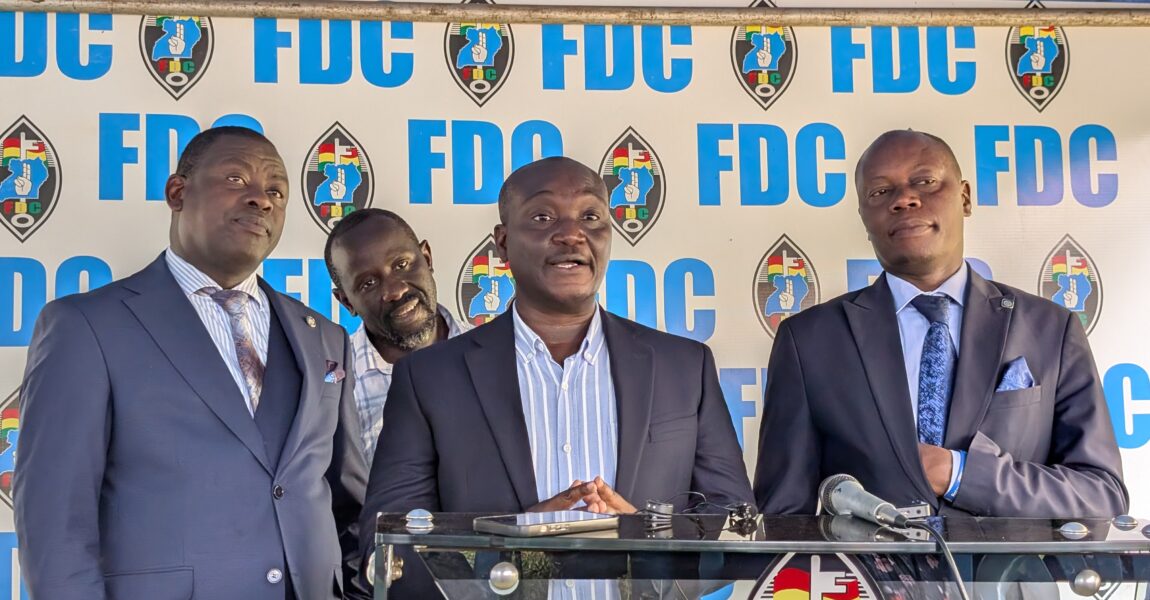
STATE OF THE NATION ADDRESS
Article 101(1) of the Constitution of the Republic of Uganda states: “The President shall, at the beginning of each session of Parliament, deliver to Parliament an address on the state of the nation.”
It is a president’s report card, and therefore a constitutional requirement for the head of state to address the nation at every start of Parliament Session.
The main purporse of this address is to:
- Inform citizens and Parliament about the current state of the country’s economy, security, social services, infrastructure, and governance.
- Account for government performance by explaining what has been achieved since the previous address.
- Outline government priorities and policies for the coming year or period.
- Present solutions to national challenges and explain how the government intends to address them.
- Mobilize national support for government programmes and development goals.
- Provide direction and leadership by setting out the president’s vision for the country in the next year.
This is what Ugandans expected. Instead, he delivered a personal memoir that begins in 1959, when he visited a stock farm as a P.7 pupil. He compared milk production figures from 1986. He recounted bus fares from 1967 from Rushere to Katongore. He described sleeping next to sheaves of millet in Naama. This is autobiography.
When he cites statistics, he compares 2026 to 1986. That is a 40-year gap, carefully chosen to make every figure look transformational. GDP up from USD 3.9bn to USD 69.3bn. Infant mortality down from 122 to 36 per 1,000. Life expectancy up from 43 to 68 years.
Nobody disputes that Uganda in 2026 is different from Uganda under Obote II. That is not the question Parliament was assembled to answer. The question is: what did your government do since your last address, and what will it do next year?
A president beginning his seventh term owes Ugandans a term-by-term account, not a four-decade lap.
Museveni’s call to Ugandans to stop going abroad for work is the most disconnected line in the entire address. He says the four sectors of agriculture, manufacturing, services, and ICT provide enough opportunity for Ugandans. He points to real estate buyers, milk coolers in Nyabushozi, and a woman on UBC showcasing their property as proof that wealth is available.
Telling Ugandans not to go abroad while offering no plan to create opportunities at home is not a solution.
Mr. Museveni and his family live a happy and lavish life financed by us, yet he thinks we live the same way. If he really wants to know the reality of the kind of life we live, he should send one of his Bazukulu to come and stay with us. The grandchild will then return and give him a full report.
PDM the flagship wealth programme he cites is a sh.1 million revolving fund per household. That is not a jobs programme. That is not a substitute for a functioning labour market. Reseach has proved it that there can never be any community that gets out poverty through handouts.
There was no accountability for the previous term’s specific commitments. No measurable targets for the next year. No mention of the public debt trajectory and what it means for service delivery. No mention of unemployment figures. No acknowledgment of the cost of living crisis that has compressed household incomes since 2021.
Museveni has governed Uganda for 40 years. By now, a State of the Nation Address should be a precise instrument: what we promised, what we achieved, what we failed, and what we will do next.
He also talked about flighting corruption but this cannot remain just a slogan; it must become a measurable national priority.
Our recommendations
- Invest heavily in agro-processing industries to create jobs close to farming communities.
- Reduce the cost of doing business for small and medium enterprises.
- Expand vocational and technical education aligned to labour market needs.
- Establish transparent youth enterprise financing mechanisms free from political interference.
- Support innovation, technology, graduate funds, and digital entrepreneurship to unlock opportunities for young people.
Finally, recently the PSST stated that they will be scrapping public functions and using the money for wealth creation. We propose that the money instead be used to pay allowances for medical interns. Wealth creation programs have not yielded any meaningful results since the start of Entandikwa. These intern doctors are not like other groups of interns, they perform hard labour and have spent five years studying. We should not misuse this cheap labour.
One Uganda, One People.
Centenary Robert Franco
VICE CHAIRPERSON
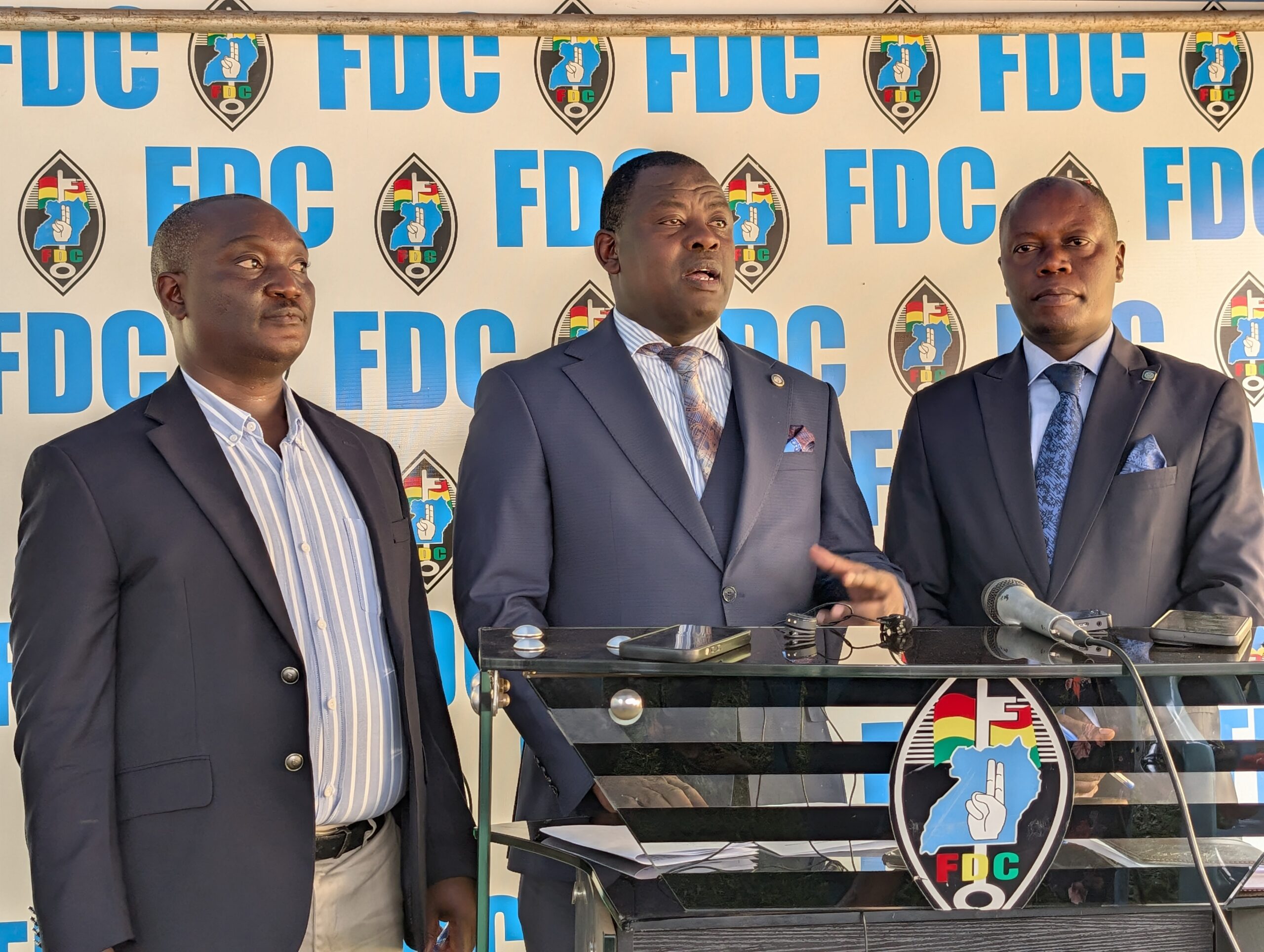
UPDF RECRUITMENT EXERCISE 2026.
As you’re aware that on 5th June, 2026, the Ag. Director Defence public information under Ministry of Defence and Veterans affairs, Col. Chris Magezi, issued a press statement informing the country about the country wide recruitment of younger people between the ages of 18 – 28 to join the forces.
As per Article 208, of the 1995 constitution as amended, establishes a force called Uganda People’s Defence Forces, which shall be nonpartisan, national in character, patriotic, professional, disciplined, productive and subordinate to the civilian authority.
Members of the press, Article 208 Clause 3 and 4, emphasizes that members of the force shall be citizens of Uganda of good character, and no one shall raise an armed force except in accordance with this constitution.
Therefore, it is against that back ground that, the Forum for Democratic Change respectfully call upon all able men and women who meet the official qualifications to be considered in the national service. Participation is voluntary and grounded in a shared commitment to national stability, public safety, and the common good.
We affirm the right of every citizen to engage in public life through peaceful, democratic channels. If you’re considering national service, ensure you have access to complete, accurate information and participate voluntarily and knowingly.
According to the UPDF press statement by Col. Chris Magezi, a total of 10,000 positions are available, and the recruitment exercise is scheduled to take place from 10th June to 24th June 2026.
Military and security service remains one of the highest expressions of patriotism and national duty. It provides young people with an opportunity to serve their country, acquire valuable skills, develop discipline and leadership qualities, and secure meaningful employment.
For many years, opposition political actors have often not provided clear guidance to their supporters regarding participation in national security institutions. As a democratic and national political organization committed to the development and stability of Uganda, the Forum for Democratic Change recognizes the importance of citizens participating in all lawful national institutions.
We therefore, call upon our elaborate Structure leaders in the Districts and sub- counties across the country to mobilize and identify qualifying youths to go in numbers to apply and be part of the force.
Our nation benefits when its institutions reflect the diversity, talent, and commitment of all Ugandans. Service in the national army is both a career opportunity and a chance to contribute to the security and development of our country.
Hon. Ibrahim Kasozi Biribawa
Deputy Secretary for Publicity – Brand Quality Control and Marketing.